CHILDREN’S AIRWAY + SLEEP | PARENT GUIDE | 5 MIN READ
7 SIGNS I WOULDN’T IGNORE IN A CHILD’S BREATHING AND SLEEP

Summary: Mouth breathing. Snoring. Grinding. Dark circles. Crowded teeth.
Lips that always seem to hang open.
A lot of parents are told these are just “little kid things.”
After 17+ years working in the mouth and airway space, I can tell you thats not the case.
When I see several of these signs together in a young child, there’s one thing I always want to know:
Where is their tongue resting?
We don’t teach parents that their child’s tongue has a proper resting place.
But it does. And it matters.
Once you understand what healthy oral resting posture looks like, a lot of the signs that seemed unrelated suddenly start to connect.
You don’t need to obsess over every little thing your child does.
Kids get stuffy noses, have bad nights of sleep, and grind occasionally.
And their teeth aren’t always perfectly straight.
But there are certain signs I hear from parents over and over that I don’t brush off.
Especially when they’re happening together.
Here are the seven signs I always pay attention to.
1. THEIR MOUTH FALLS OPEN WHILE THEY SLEEP
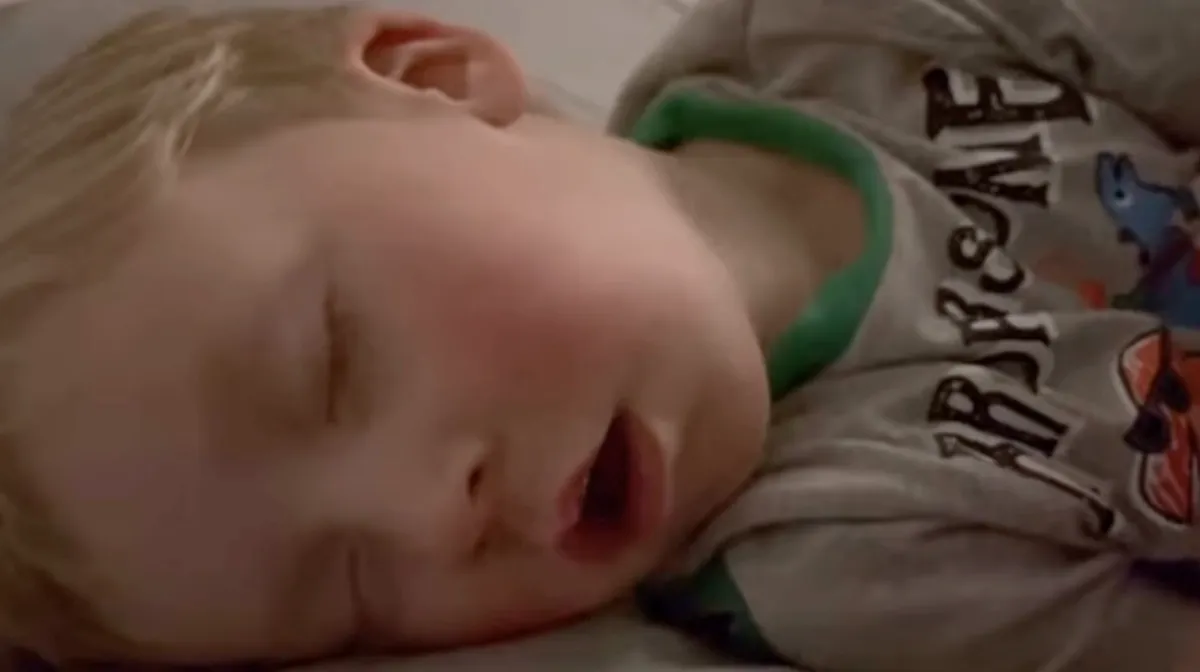
This is often the first thing parents notice.
You put your kid to bed with their lips closed.
Twenty minutes later, their mouth is hanging open.
You gently close it and check again a little later...
Open again.
So you assume:
“They just need to learn to keep their mouth closed.”
But I look at this differently.
I want to know if your child can comfortably breathe through their nose.
Because if the nose is blocked, congested, or difficult to breathe through, we obviously can’t expect the mouth to stay closed.
Once we know the nose can do its job, I start looking at something else:
What does their mouth naturally do when they aren’t thinking about it?
Where are the lips?
Where is the jaw?
And most importantly...
Where is the tongue?
Because there’s a big difference between a child who can close their mouth...
and a child whose mouth naturally rests closed.
2. THEY SNORE
If snoring becomes normal, we need to know why.
Sometimes there are airway issues that should be checked first, like:
Large tonsils, adenoids, chronic congestion, or a narrow nasal passage.
All of those are worth checking.
Once we’ve looked at the airway, I want to know what’s happening inside the mouth.
Is the tongue sitting up where it belongs?
Or is it resting low?
Are the lips closed?
Is the jaw hanging open?
Again, we’re not looking at one symptom and saying:
“This means one specific thing.”
We’re looking for a pattern.
And when a child snores, mouth breathes, grinds their teeth, sleeps with their mouth open, and has a narrow-looking palate...
I pay attention.
3. THEY GRIND THEIR TEETH AT NIGHT
Here’s another sign parents are often told not to worry about.
Yes, children can grind for several different reasons.
But when a mom tells me:
“My child grinds.”
Then adds:
“They sleep with their mouth open.”
“They snore.”
“They’re restless.”
“Their teeth are starting to crowd.”
That’s a different story.
The jaw doesn’t function by itself.
The tongue, lips, cheeks, and jaw all work together.
What those muscles do at rest matters just as much as what they do while eating and talking.
That’s why I don’t look at grinding as an isolated problem.
I want to know what the entire mouth is doing while that child sleeps.
Seeing a few of these in your child already?
In this short video, I explain why it matters and what you can start doing about it now.
4. THEY HAVE DARK CIRCLES OR RESTLESS SLEEP
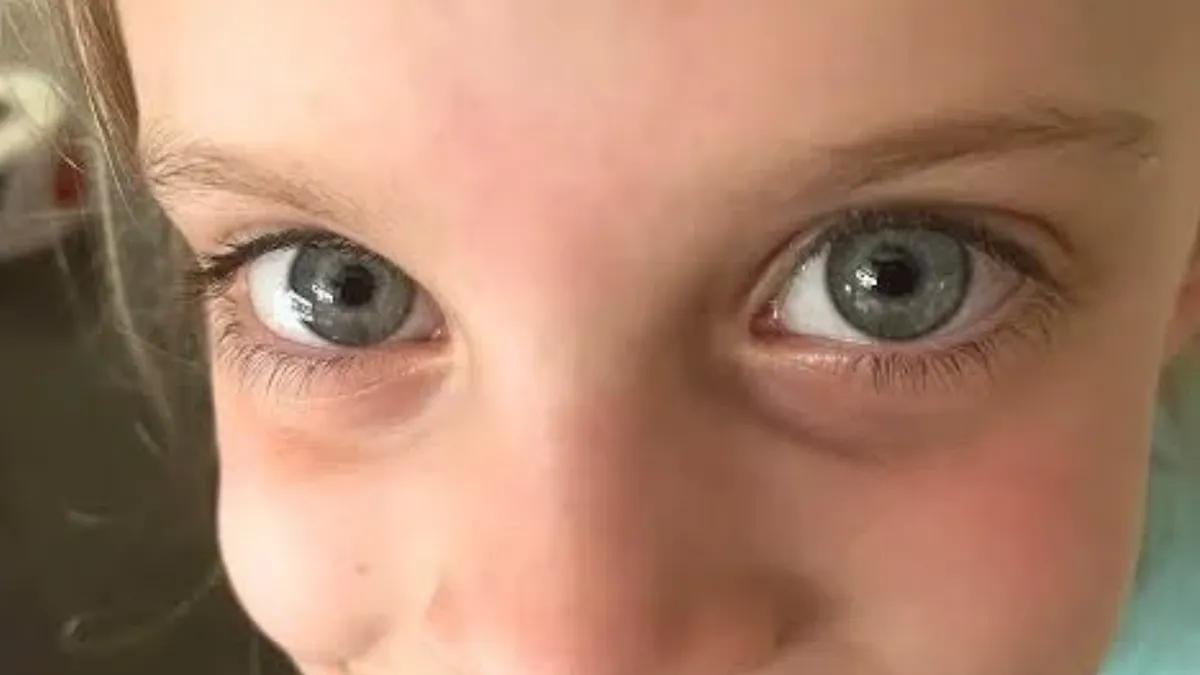
This one surprises parents.
Your kid may technically be sleeping for ten hours...
But that doesn’t tell us what those ten hours actually look like.
Are they tossing around?
Sleeping in strange positions?
Grinding?
Snoring?
Breathing through their mouth?
Waking up looking like they barely slept?
None of these are “bad” by themselves.
But if your child is doing several of them together, I want to know how they’re breathing while they sleep.
I hear this all the time:
“Their sleep is fine. They sleep all night.”
But hours of sleep don’t always mean good sleep.
5. THEIR TEETH ARE CROWDING OR THEIR PALATE LOOKS NARROW
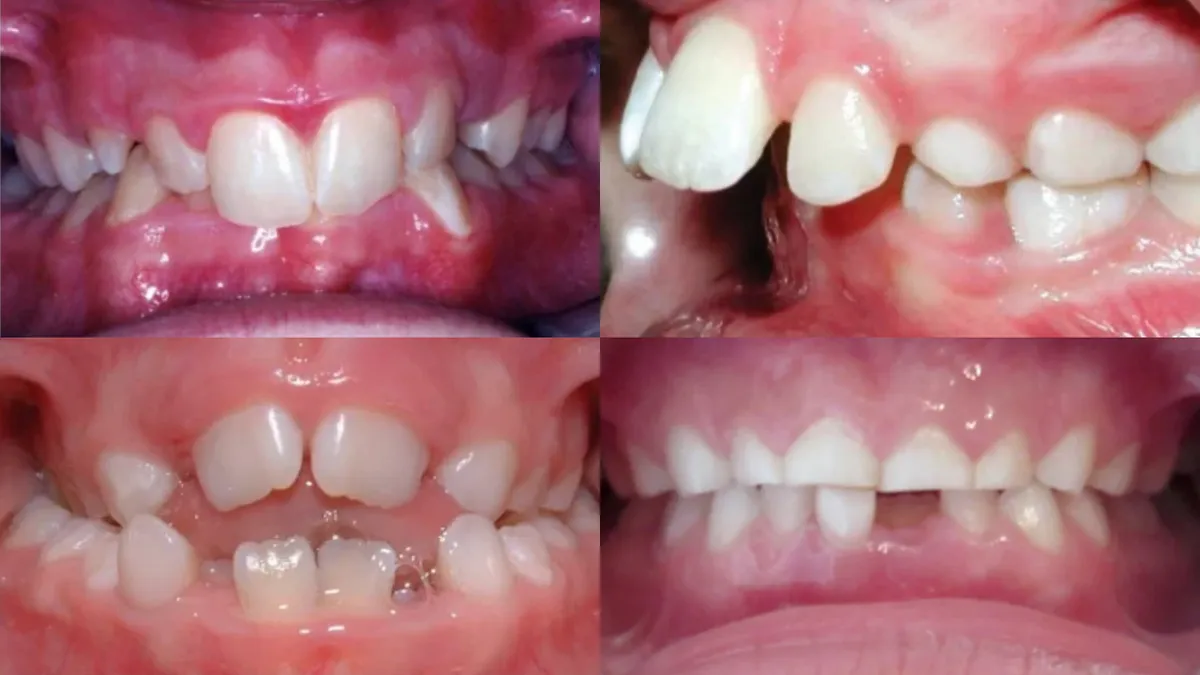
This is when parents usually start reaching out for help.
Because now we can clearly see something isn’t right.
There isn’t enough space.
The teeth are overlapping.
There’s a crossbite.
The smile looks narrow.
The dentist starts talking about braces.
The orthodontist says:
“Let’s wait until they’re older.”
But the upper jaw and palate aren’t just there to hold the teeth.
They also help form the structure around the nasal airway.
And sitting right under the palate is something that helps shape how the mouth functions as your child grows:
The tongue.
So I want you to stop thinking only:
“Are my child’s teeth straight?”
…and start asking:
“How is my child’s mouth functioning while they’re growing?”
Because your child’s mouth doesn’t stop growing and developing just because they’re not in orthodontics yet.
They’re breathing.
Chewing.
Swallowing.
Sleeping.
And resting their tongue somewhere all day long.
The real question is: are those patterns supporting healthy growth?
6. THEIR LIPS HANG APART DURING THE DAY
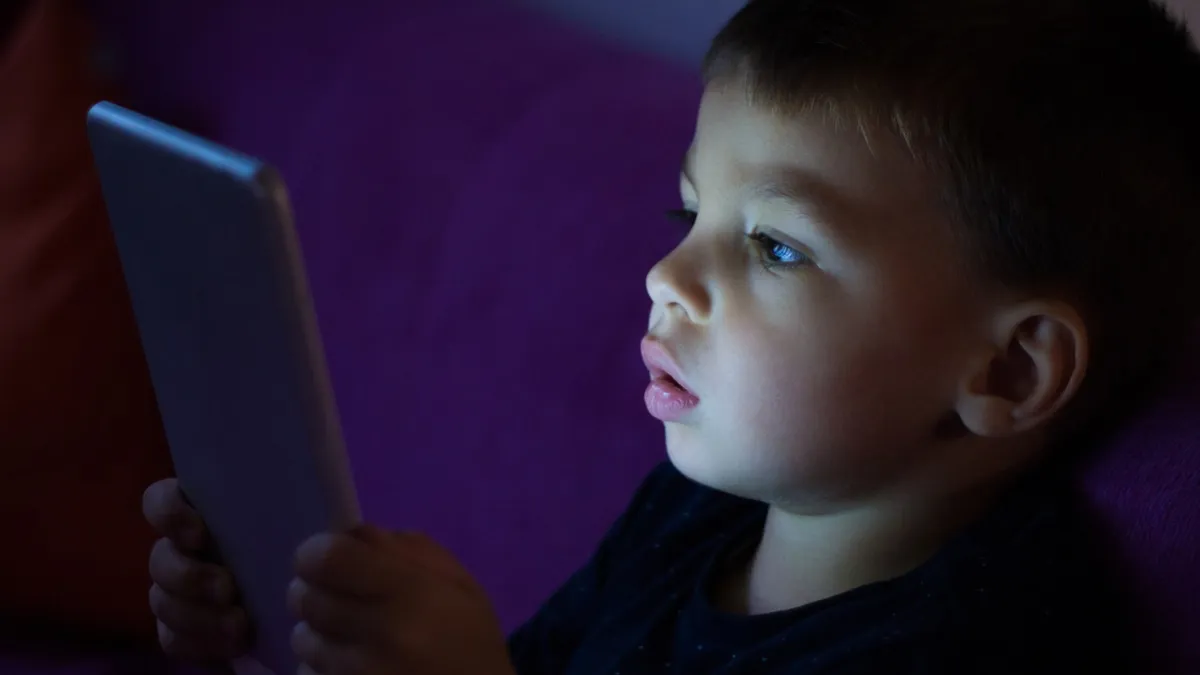
Take a minute and watch your child while they’re distracted.
Maybe they’re watching TV, coloring, playing with toys, riding in the car, or looking at an iPad.
Are their lips gently closed?
Or are they hanging slightly open?
Most kids can close their lips when you remind them.
What I want to know is:
What do their lips do when nobody is reminding them?
That is their natural resting posture.
And your child spends a lot more time in that resting posture than they do doing anything else.
Which is what makes the next sign so important.
7. THEIR TONGUE RESTS LOW
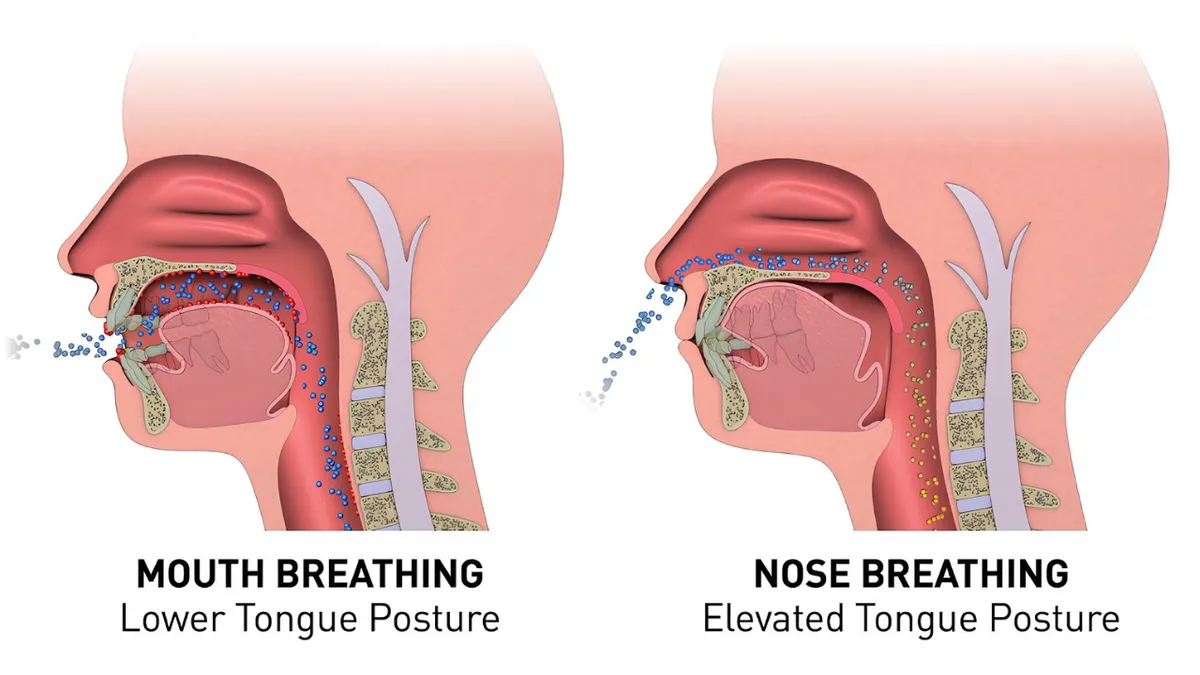
This is what I wish every parent knew.
Your child’s tongue has a healthy resting position.
Most of us were never taught that.
And nobody taught our parents either.
So when the mouth is resting well, I want to see:
Your child breathing comfortably through the nose.
The lips gently together.
The jaw relaxed.
And the tongue resting up against the roof of the mouth instead of low behind the bottom teeth.
Here’s the most important part:
Your child’s tongue is resting somewhere for hours every single day.
Far more than they’re chewing.
Far more than they’re talking.
Far more than they’ll ever spend doing an exercise.
So I'm not just looking at whether your child can put their tongue up when you ask.
I want to know:
Where does their tongue naturally go when nobody is reminding them?
Because that is the position they’re practicing all day long.
SO WHAT DO YOU ACTUALLY DO ABOUT IT?
This is almost always the question I get next.
Because once parents start seeing the patterns, they think:
“My child does that.”
“And that.”
“That too…”
“So what am I supposed to do now?”
The good news is, children can learn new patterns.
Yes, even your kid.
They can learn to breathe through their nose.
Learn where their tongue should rest.
And start getting the tongue, lips, cheeks, and jaw working together the way they should.
That’s why I created MyoPrep.
I kept meeting parents who saw these signs, reached out for help, and kept being told:
“Just wait.”
“They’ll grow out of it.”
“Come back when they’re older.”
And sure, sometimes waiting on a specific treatment makes sense.
But waiting doesn’t mean your child stops growing in the meantime.
Every day, they’re practicing the way they breathe, swallow, rest their tongue, and use their mouth.
So I wanted parents to have something practical they could start using at home now.
MyoPrep teaches the foundational breathing and oral habits children need to be learning early through simple, fun games and exercises.
If you’re reading this thinking:
“I just want to know what I can do now…”
That’s exactly what I show you in this short video.